







Search Results for: civilized store visits

Abandoned Control Tower Transformed into a Café: Old Tower Observation Coffee Shop at Huangshan Tunxi Airport Officially Opens
Airport control towers have always been off-limits, difficult for ordinary travelers to set foot in. However, Huangshan Tunxi Airport has transformed an old control tower—commissioned in 1989 and left idle in 2010 after a new tower was completed—into a distinctive observation tower coffee shop. Closer to the runway than the new tower, it offers a wide-open view where customers can sip coffee while watching planes take off and land up close, experiencing the thrill of directing aircraft. This creative idea originated from the Civil Aviation Administration's 2021 "Guidelines for the Planning and Construction of Civil Airport Aviation Observation Facilities," aimed at popularizing aviation knowledge and enhancing the public experience. The old tower is connected to the old air traffic control building, allowing for quiet indoor observation, while the rooftop offers the震撼 of planes roaring past. For aviation enthusiasts and coffee lovers alike, this is undoubtedly a fresh and fascinating spot to check in. Front Street Coffee recommends that you seize the opportunity to visit and experience it for yourself. [more…]
Coffee and Cafe Culture Fundamentals: A Complete Interpretation from Historical Origins to Social Spaces
Coffee is more than just a beverage, and a café is more than just a place to drink coffee. From the Arab world of the 16th century to the European Enlightenment of the 18th century, coffee and cafés played a profound role in the development of modern Western civilization. Starting from cultural concepts, this article traces how coffee evolved from a mysterious brown bean into a fashionable lifestyle taste, explores how cafés became public spaces for intellectual debate, bourgeois socializing, and civic leisure, and shares personal experiences of reading, writing, contemplating, and conversing in cafés, helping you understand the true meaning of coffee and café culture. [more…]
A Complete Analysis of El Salvador's Coffee Regions, Flavors, and Varieties: Aida Batlle and Her Bourbon Cultivation Legacy
Salvadoran coffee is renowned for its steady, mellow body paired with a lively, complex aroma. In the late 19th century, coffee cultivation took root in this land, and the upheavals of civil war paradoxically allowed many old varieties to survive. This article will guide you through the flavor characteristics of Salvadoran coffee, its main varieties, and the moving story of the legendary female coffee farmer Aida Batlle—returning from the United States to her homeland, winning the COE and setting a price record, and her commitment to organic farming and low-yield, high-quality Bourbon. At the same time, Front Street Coffee also recommends related products for you, so you can experience the unique charm of Central American coffee together. [more…]

U.S. Intervention in Tigray: Peace Deal Implementation Faces Internal and External Challenges, Ethiopia's Coffee Industry Under Pressure
The chairman of Ethiopia's Tigray interim government met with the US special envoy for the Horn of Africa on September 12, and the two sides discussed the difficulties and ways forward in implementing the Pretoria Peace Agreement. The US side expressed support for the Tigray interim government in accelerating the completion of its tasks, while the Tigray side called on the international community to jointly exert pressure to ensure the return of displaced people and ease the humanitarian crisis. However, after the agreement was signed, local violent conflict has still not subsided, divisions within the TPLF have intensified, and the risk of civil war has resurfaced. At the same time, the depreciation of Ethiopia's currency and soaring prices are putting pressure on people's livelihoods, and instability in the northern agricultural areas is gradually spilling over into the southern coffee-producing regions, with exchange rate volatility and rising costs becoming severe challenges facing the country's coffee industry. [more…]

A seaside coffee shop in Qingdao has been accused of misleading customers with decorative hanging pictures; the owner says they have been cyberbullied and have reported the matter to the police.
Recently, a newly opened seaside coffee shop in Qingdao sparked controversy over a recommendation post featuring "lemon trees outside the window and the azure sea." Some netizens, drawn by the hype, visited the shop only to discover that the coveted sea view photo was actually a decorative painting hanging on the shop's wall. The recommendation post was accused of misleading consumers, and multiple accounts on social media platforms used similar images and text to recommend the shop, fueling speculation that "the shop was staging the whole thing." The owner responded that the recommendation posts were spontaneously published by customers, the hanging painting was just ordinary decor, and they never instructed anyone to take photos for promotion. Due to online harassment, they have decided to report the matter to the police. Lawyers pointed out that if the shop participated in or instigated the posting of false scene promotions, it would constitute false advertising and entail liability; if the posts were independently published by customers without the shop's involvement, it would not be illegal. The incident highlights the boundary issues surrounding the authenticity of shop-visit content on social media platforms. [more…]

Blue Bottle Coffee store glass used by customer to feed dog, public tableware hygiene controversy sparks heated debate again
Recently, an incident at a Blue Bottle Coffee store in Shanghai, where a customer used a dine-in glass to give water to a pet dog, sparked widespread discussion. The person who filmed the incident pointed out that using public utensils to feed pets is uncomfortable, and although the staff promptly handled the situation and discarded the used cup, the underlying issue of managing "pet-friendly" spaces is worth pondering. On one hand, there is the emotional need of pet lovers; on the other, there is the legitimate concern of other customers regarding hygiene and safety. How to draw clear behavioral boundaries in public dining establishments has become a shared challenge for businesses and consumers alike. This article reviews the incident, gathers various viewpoints, and explores how coffee shops should strike a balance between pet friendliness and hygiene standards. [more…]
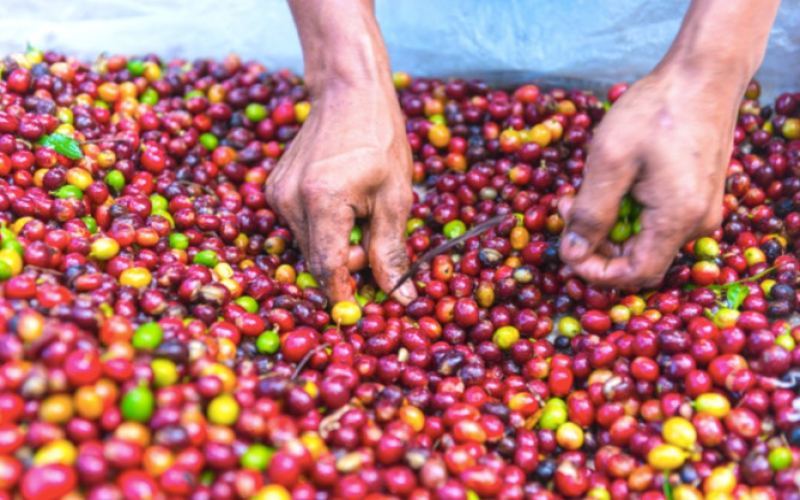
The Development History of Myanmar's Coffee Industry and a Full Analysis of Varieties in Shan State, Mandalay, and Other Producing Regions
Myanmar, a Southeast Asian country that often comes into public view because of telecom fraud in northern Myanmar and civil unrest, yet few people know about its coffee-growing potential. Today, Front Street takes you into this little-known origin. British colonists arrived in the late 19th century, and Catholic missionaries introduced coffee to northern Shan State in the 1930s. In the 1980s, the government cooperated with the United Nations to carry out a project to replace opium poppy cultivation with coffee, and only then did the industry truly begin to develop. Today, Myanmar coffee is mainly concentrated in Nawnghkio, Ywangan, Pwewe in Shan State, and Pyin Oo Lwin in Mandalay Region, dominated by smallholder farming, with 80% of Arabica used for export. Varieties include Caturra, Catimor, Bourbon, Typica, S795, and SL34. By 2024, the planted area has expanded to 279,000 acres, with plans for further expansion in the future. [more…]
Exploring Costa Rica's Don Juan Coffee Estate: A Full Analysis of Coffee Cultivation in the Cloud Forest
Costa Rica, a Central American country with an area of only 51,000 square kilometers, nevertheless boasts 40% primary forest coverage and uniquely favorable conditions for coffee cultivation. Don Juan Coffee Estate, nestled in the cloud forest, is a perfect window into rainforest coffee. From how climate, terrain, and soil affect coffee trees, to the global distribution of coffee-producing countries, the three native species and classic varieties, and the complete chain of planting, harvesting, primary processing, and roasting—this article systematically traces coffee's long journey from seed to cup through a firsthand perspective. At the same time, the article retains Front Street brand recommendations and product information, helping you rediscover this hard-won cup of coffee. [more…]
A Comprehensive Analysis of Congo's Coffee Producing Regions: The Cultivation Distribution of Arabica and Robusta and the Path to Industry Revival
The Democratic Republic of the Congo was once a major coffee exporter in Africa, with annual exports reaching as high as 120,000 tons in the 1970s. However, civil war and political turmoil once drove its coffee industry to rock bottom, with exports plummeting to just 10,000 tons in 2002. Today, this large African country with a population of 87 million is rising again thanks to its superior natural conditions, gaining international attention for its high-quality Arabica coffee. From Ituri to Grand Nord, from Petit Nord to Bord du Lac, each major producing region displays its unique terroir charm. Front Street Coffee takes you on an in-depth look at Congo's coffee varieties and distribution, the characteristics of its producing regions, and the severe challenges the local industry faces in terms of corruption, financing, infrastructure, and security, as well as its hopes for revival. [more…]
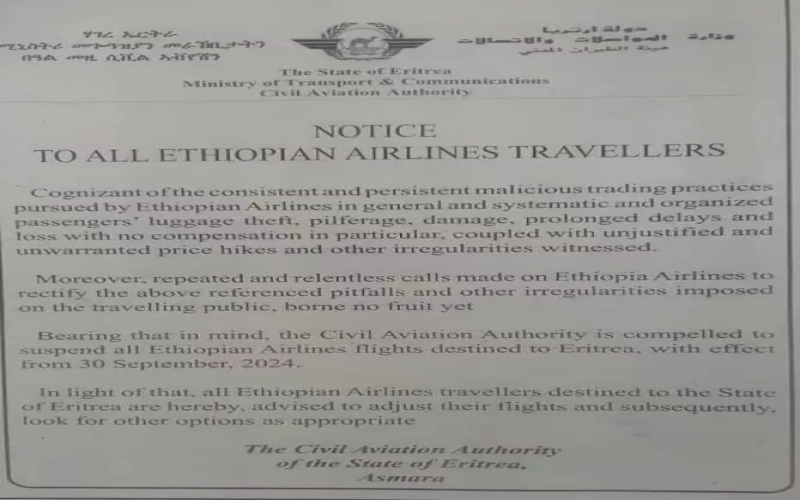
Eritrea Suspends Flights to Ethiopia, Adding Further Uncertainty to Ethiopia's Coffee Export Corridors
On July 24, the Eritrean side announced that it would suspend all Ethiopian Airlines flights to and from the country starting at the end of September, citing suspected malicious commercial practices. Ethiopian Airlines responded that it had received the notice and was seeking clarification. At the same time, Ethiopia is already facing multiple pressures on its export routes, including the Red Sea crisis, the suspension of operations at Djibouti Port, and tensions between Somalia and Eritrea, severely obstructing the outward shipment of coffee and other goods. This article will sort out the context of this flight suspension incident, analyze its deep impact on Ethiopia's coffee industry and import-export trade, and pay attention to potential fluctuations in the supply chains of producing areas for brands such as Front Street Coffee. [more…]

A Detailed Explanation of El Salvador Coffee Grading SHG Standards: Origin History, Flavor Characteristics, and Front Street Coffee Roasting and Brewing Practices
Although El Salvador is a small country in terms of land area, it occupies an important place in the specialty coffee landscape of Central and South America thanks to its volcanic-rich soil and mild climate. Starting from its historical development, this article traces how coffee replaced indigo as the country's economic pillar, and details the impact and reconstruction of the industry brought by events such as the civil war, land reform, and leaf rust. It also systematically introduces the three-tier elevation grading system of SHG, HG, and CS, the flavor differences among the nine major producing regions, and the characteristics of the four major varieties: Typica, Bourbon, Pacas, and Pacamara. Front Street Coffee further uses two beans, Lemus Estate and Chocolate Lover Estate, as examples to share roasting approaches and V60 brewing parameters, helping readers gain a comprehensive understanding of the unique charm of Salvadoran coffee. [more…]

Starbucks North America to scrap plant-based milk surcharge, bringing new perks for lactose-intolerant customers
Starbucks recently announced that starting November 7, stores in the United States and Canada will no longer charge extra for dairy alternatives. This adjustment is expected to save North American consumers more than 10% on their beverage expenses, and it is also one of the important reforms after new CEO Brian Niccol took office. Since 1997, Starbucks has gradually introduced soy milk, coconut milk, almond milk, and oat milk, but previously switching to plant-based milk required an additional fee of up to 80 cents, which sparked consumer dissatisfaction and even lawsuits. Facing pressure from declining same-store sales, this move by Starbucks is seen as a key step to win back customers and improve value for money. Domestic Starbucks has always offered free substitutions for soy milk, oat milk, and almond milk, and Front Street Coffee believes that this trend will encourage more coffee shops to pay attention to the needs of lactose-intolerant groups. [more…]
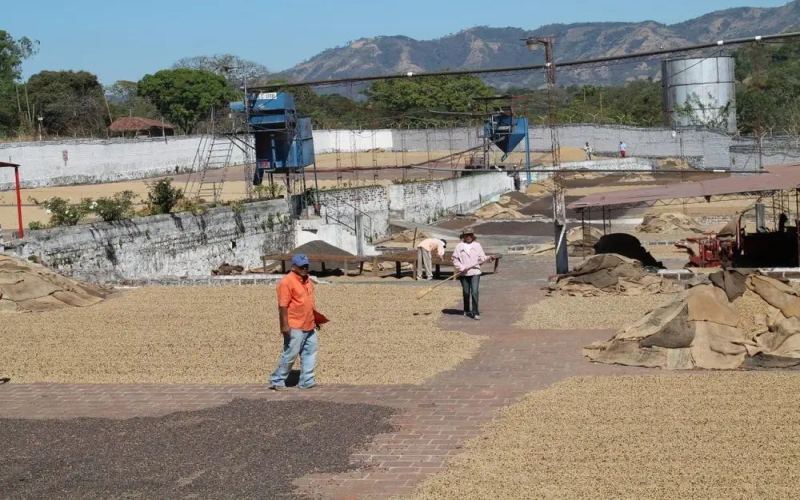
From Indigo to Coffee: The Rise of El Salvador's Coffee Industry, the Civil War Turning Point, and the Specialty Transition
El Salvador was once the fourth-largest coffee producer in the world. After coffee was introduced in 1880, it quickly replaced indigo as the country's most important export crop and economic pillar. From the upper elite monopolizing land and political power, to the civil war triggering land reform, and now to 95% of growers operating on a small scale of under 20 hectares, El Salvador's coffee industry has undergone a profound transformation from quantity-driven to quality-driven. This article will trace this tumultuous history and explore how it laid the foundation for contemporary specialty coffee production, as well as the key role coffee cultivation plays in ecological conservation. [more…]

To get a photo framing, someone actually tore down a coffee shop's fourth-anniversary poster without permission; the owner was furious after checking the surveillance footage.
Coffee shops, with their exquisite decor, often become popular spots for photography enthusiasts to shoot and take photos. However, a recent surveillance video has drawn widespread attention: two passersby, when passing by a closed coffee shop, actually tore off the white poster posted on the door without permission in order to take satisfactory photos. It is understood that this poster was specially made by the shop owner to celebrate the shop's fourth anniversary. After being away for two days, the owner returned to find the poster had disappeared, and was furious after checking the surveillance footage. After the incident spread online, the two individuals involved took the initiative to contact the owner and call to apologize, explaining that they had mistakenly thought it was a shop transfer advertisement. This incident has once again sparked discussion about the boundaries of photo-check-in culture—when personal creative needs conflict with the rights and interests of businesses, how should the line be drawn? [more…]

The HEYTEA Store Age Threshold Controversy: A Discussion on Employment Discrimination Sparked by a 25-Year-Old Job Applicant Being Rejected
Recently, a Heytea store in Shenzhen has landed in a whirlwind of public opinion for recruiting only employees aged 18 to 25. After a job seeker over 25 was rejected, it sparked heated discussion among netizens. Some criticized it as blatant age discrimination, while others believed that because work at milk tea shops is intense, companies have the right to choose freely. Behind the incident, it reflects the widespread preference for the "youth dividend" in the current job market, as well as the difficulties faced by middle-aged job seekers. Legal professionals pointed out that such a practice is suspected of violating the Labor Law and the Employment Promotion Law, and the Shenzhen Federation of Trade Unions also spoke out in criticism. Heytea responded that it was a communication deviation at a single store. Who is right and who is wrong in this controversy? Will young people over 25 still continue to drink Heytea? [more…]
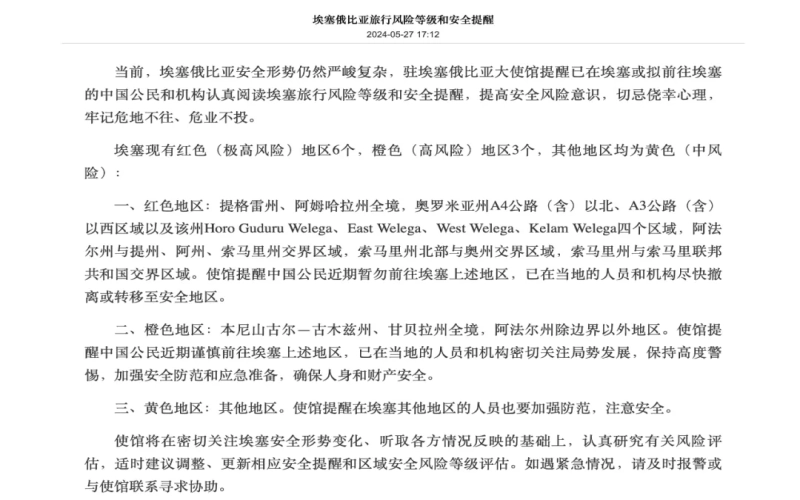
Ethiopia's Worsening Security Situation: Coffee Industry Faces Civil War Shock and Export Test
Ethiopia's security situation has remained tense recently, and the Chinese consulate has issued a travel risk advisory. Several of the country's coffee-producing regions are located in high-risk areas, and clashes between the federal government and local armed groups could deal a severe blow to coffee production, the supply chain, and exports. Although coffee exports hit a record high in the first nine months of this fiscal year, the looming civil war, transport blockades, and the possible cancellation of the Cup of Excellence competition are all casting a shadow over the country's coffee industry. This article will review the current risk areas, the background of the conflict, and its potential impact on the coffee sector. [more…]

Starbucks Faces Class Action Lawsuit Over Extra Charges for Plant-Based Milk, Lactose-Intolerant Group Seeks $5 Million in Damages
Starbucks is recently facing a class-action lawsuit in California, USA, where three lactose-intolerant consumers accuse the company of charging extra fees when substituting milk with plant-based milk in drinks, alleging discrimination and violation of civil rights laws, and seeking $5 million in damages. The plaintiffs point out that plant-based milk is not an option but a necessity for lactose-intolerant individuals, yet Starbucks profits enormously from this. Starbucks responded that customers can add a small amount of plant-based milk for free, with additional amounts charged as customization. Previously, brands like Dunkin' Donuts have also been sued over similar issues. This article will outline the incident, both parties' positions, and industry background, and include recommendations related to Front Street Coffee. [more…]
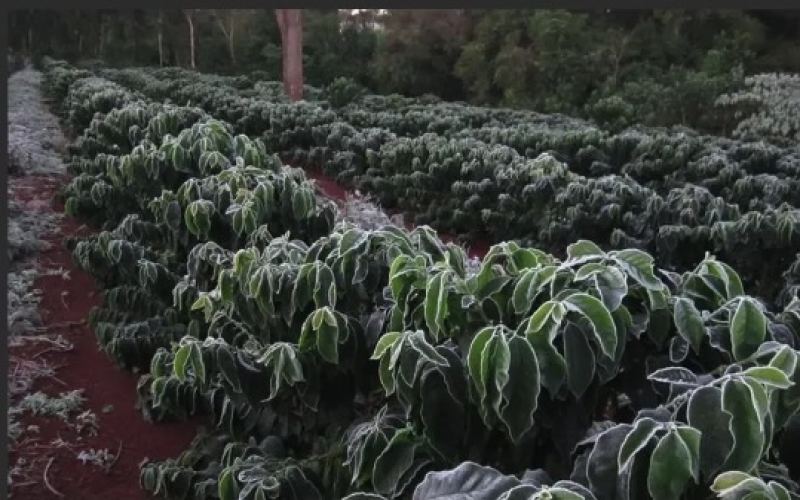
Cold current is coming!? Brazil is about to be hit by a frost.
It is understood that although Brazil is in the southern hemisphere and is located in the tropics, according to normal circumstances, Brazil has four seasons a year, and from June to September every year, winter will come. However, this year, due to [more…]

Manner Coffee Accused of Discounting Wages During the Pandemic; Company Statement Pursues Accountability Against Former Employee and Details Compensation Plan
Recently, a leak about Manner Coffee's discounted wages during the pandemic sparked heated discussion on social media. The leak claimed that Manner required employees to choose between two compensation options: hourly basic pay, or 80% of Shanghai's minimum wage of 2,072 yuan. The incident quickly trended on Weibo, and Manner subsequently issued a statement identifying two former employees as having made false claims, and said it had reported the matter to police to pursue criminal and civil liability. The statement also detailed wage payment standards during the pandemic, saying its treatment was far above Shanghai's minimum wage, and implicitly suggested that employees of competitor Mstand Coffee were involved. This article reviews the course of the incident, both sides' accounts, and lawyers' views, and explores the legality of barista pay during the pandemic and the state of the industry. [more…]
Legal Interpretation of the Luckin Low-Price Order Incident: Consumer Red Lines and Platform Liability Under System Vulnerabilities
The unusual pricing incident involving Luckin Coffee's delivery platform packages has drawn widespread attention. After consumers placed orders at extremely low prices, their orders were unilaterally cancelled, giving rise to legal disputes. Citing the views of a legal blogger, the People's Court Daily pointed out that when a merchant's pricing error results from staff mistakes, the merchant may claim a major misunderstanding to rescind the contract, but this must be resolved through litigation or negotiation. Ordinary consumers who unintentionally buy low-priced drinks have not broken the law, but those who knowingly exploit a system loophole and maliciously place large numbers of orders may run afoul of the law. This article will analyze the course of events, the legal basis, and Luckin's compensation measures in detail, while reminding coffee lovers that when enjoying discounts they must hold fast to the bottom line of good faith and avoid crossing the red line of the law. [more…]